Acquiring new customers remains one of the biggest challenges for startups and growing businesses. Many…

How to Build and Engage a Loyal Audience in 2026
At no point has building an audience been an easy task. Whether you’re trying to grow your LinkedIn page, Instagram account, or scale your newsletter, attracting people you can genuinely call your audience remains a strenuous process.
One major factor that has shaped audience building in recent years is the increasing competition for attention. Today, building an audience revolves around earning people’s attention, not demanding it. According to widely cited digital behavior studies, the average human attention span on digital platforms is estimated to be around 8 seconds. This means you have only a few seconds to capture interest before people scroll past your content.
So, how do you build an engaging audience in 2026?
Table of Contents
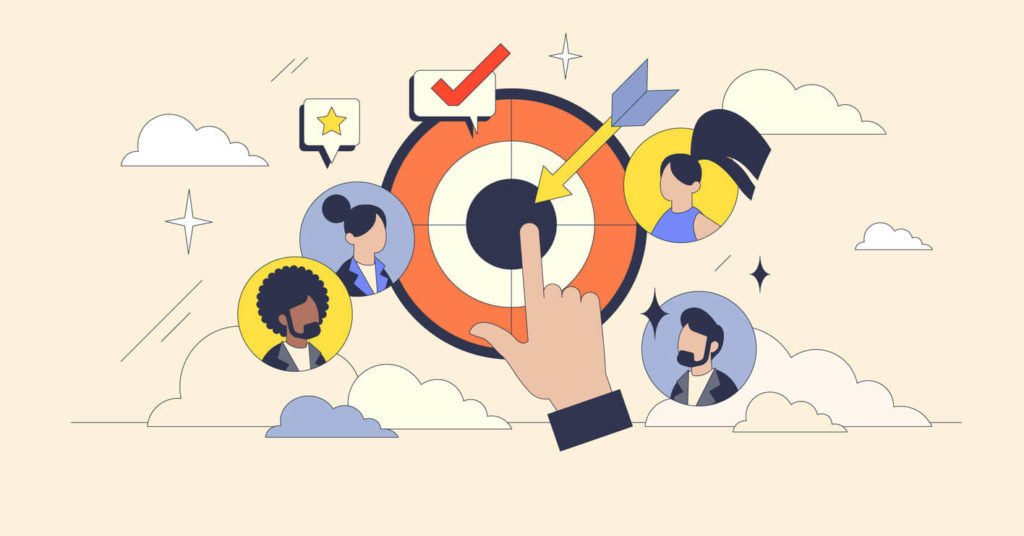
Choose a Clear Content Niche to Attract the Right Audience
This might sound obvious, but more often than not, it’s the obvious things we neglect—and the consequences can be costly. So how should a business choose a content niche?
Eric Siu, founder of Growth Marketing Agency, once admitted that when he started his YouTube channel, he made the mistake of talking about marketing, NFTs, and cryptocurrency all on the same channel. This caused subscribers who followed him for marketing content to unsubscribe when they saw crypto-related videos, while those who joined for NFTs or crypto lost interest when marketing videos appeared.
The lesson is simple: mixed signals repel loyal audiences.
Whether you’re a fintech company solving Africa’s payment challenges or a logistics brand connecting manufacturers with consumers, you must narrow your content focus so it speaks clearly to the specific audience you want to attract.
For example, if you’re an edtech platform, your content should not focus on Nigeria’s insecurity issues. Instead, your attention should be on education-related conversations—such as solving youth illiteracy, improving learning outcomes, or access to digital education.
Choose the Right Content Format for Each Platform
Over time, patterns have emerged across major platforms such as X (formerly Twitter), Facebook, Instagram, LinkedIn, YouTube, and TikTok. Different content formats perform better on different platforms.
On Facebook, both text-based and video content tend to perform well. On platforms like X and LinkedIn, short-form text paired with a strong visual or design often delivers better engagement.
That said, your content niche also influences your ideal format. For instance, a fashion brand showcasing new trends will perform better with video-based content than long text posts. In such cases, video should be prioritized regardless of the platform used.
Create and Publish Content Consistently
No matter how well you define your content niche or choose the right content format, you cannot build an audience—let alone an engaging one—if your content is not consistently discovered. This makes regular content creation and publishing extremely important.
Social media algorithms are well known to reward creators and brands that publish consistently.
However, content creation can be demanding. This is why businesses must determine a realistic publishing frequency that does not overwhelm their content team. As a rule of thumb, posting at least two pieces of content per week across your most important platforms helps keep your brand visible and gives your audience more opportunities to engage.
Engage Your Audience to Build Long-Term Loyalty
To build an engaging audience, you often have to engage first. This can include commenting on your audience’s posts, sending goodwill messages on special occasions, or—if you have access to their emails or phone numbers—using platforms like Yournotify to send personalized emails and SMS messages.
Taking the initiative to engage with your audience makes them feel seen, valued, and appreciated—and this is often the foundation of long-term loyalty.

Related Posts