
The Telemedicine and HealthTech industry in Nigeria and Africa is undergoing rapid growth, driven by increased internet penetration, mobile technology adoption, and demand for remote healthcare services. This report provides a comprehensive analysis of market trends, consumer insights, and marketing strategies to scale telemedicine platforms and HealthTech solutions effectively.
Table of Contents
Market Size & Trends
According to industry reports:
- The global telemedicine market was valued at $87.8 billion in 2022 and is expected to reach $285 billion by 2027.
- Africa’s telemedicine market is projected to grow at a CAGR of 16.5%, driven by increasing healthcare accessibility challenges.
- Nigeria’s digital health sector is valued at over $1.3 billion, with HealthTech startups securing over $150 million in funding in 2023.
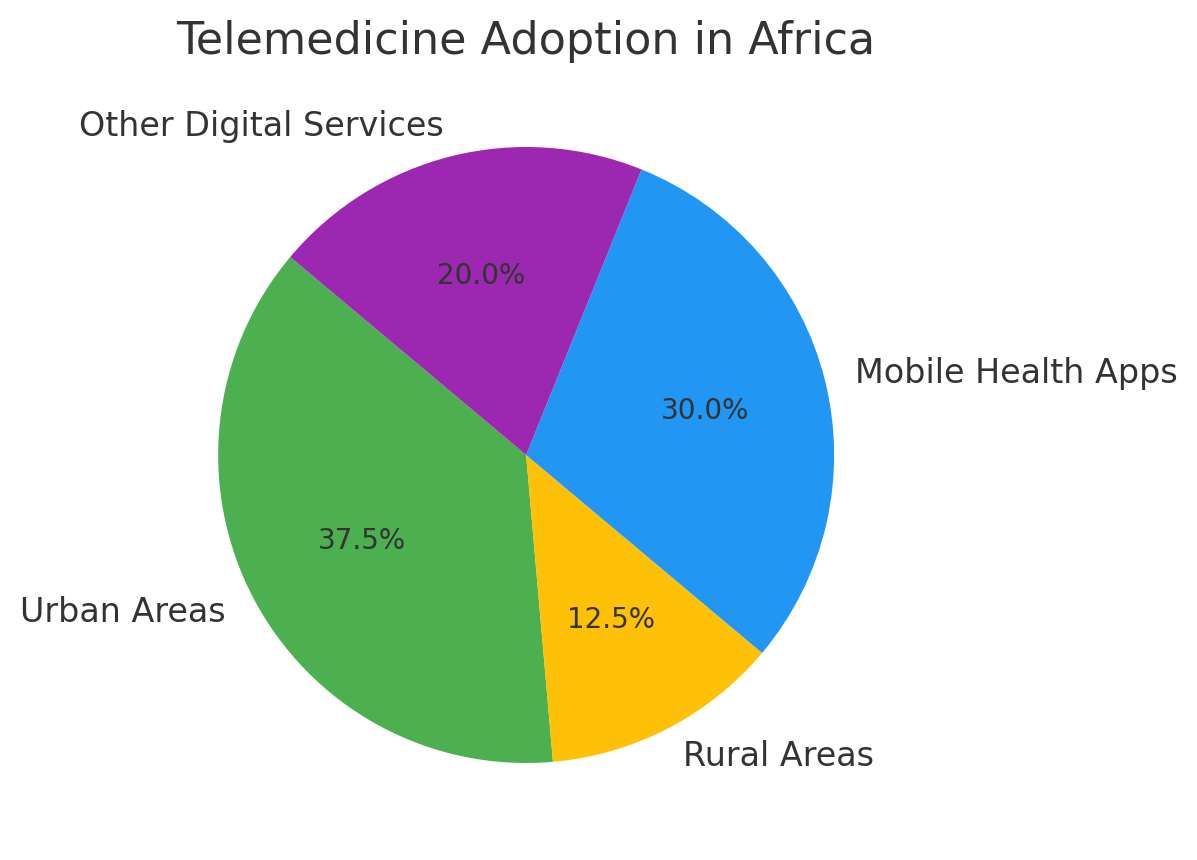
Telemedicine Adoption in Africa
Market Insights: Nigeria & Africa
The Telemedicine and HealthTech industry in Nigeria faces both opportunities and challenges:
Nigeria
- Urban vs. Rural Access: 75% of telemedicine users are in urban areas, while rural penetration remains low due to internet limitations.
- Mobile Health Apps: Over 60% of consultations occur through mobile applications.
- Regulatory Framework: The Nigerian HealthTech sector is regulated by the National Health Act (NHA) and the Nigerian Communications Commission (NCC) for data security and compliance.
Africa
- Mobile-first approach: Over 80% of HealthTech solutions in Africa focus on mobile delivery.
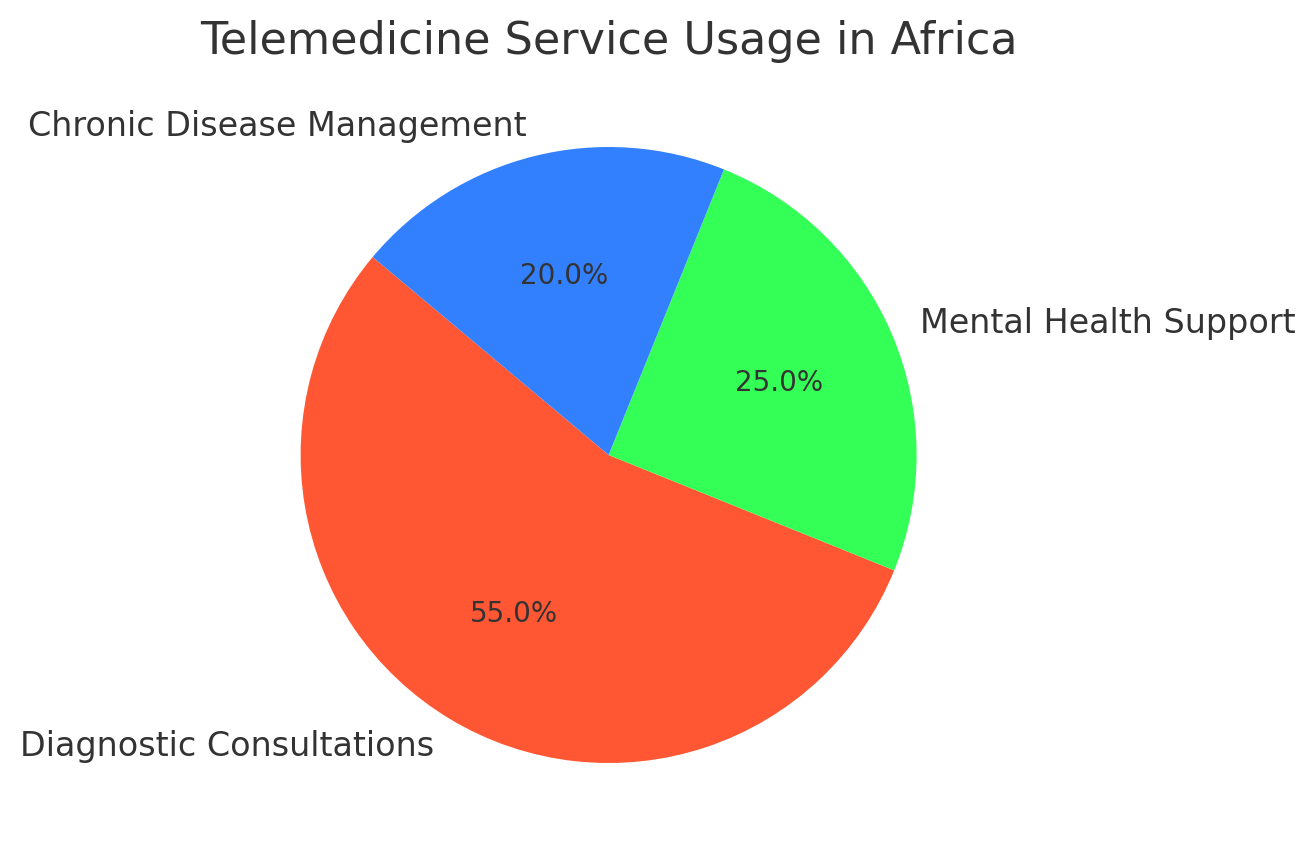
- Primary healthcare demand: Telemedicine is used predominantly for diagnostic consultations (55%), followed by mental health support (25%) and chronic disease management (20%).
- Insurance & Payment Barriers: Limited health insurance penetration in Nigeria and Africa affects widespread adoption.
Telemedicine Service Usage in Africa
Consumer Behavior Analysis
Key insights into consumer engagement:
- Demographics: Majority of users are between 25-45 years old, with a higher adoption rate among working professionals.
- Motivations: Convenience (50%), affordability (30%), and reduced hospital visits (20%) drive telemedicine adoption.
- Nigeria-Specific Insight: Trust issues remain a barrier, with 40% of Nigerians preferring in-person consultations despite available digital health options.
Regulatory Landscape
- Nigeria: Regulated by the National Health Act (NHA), with data protection compliance required by the NCC.
- South Africa: The Health Professions Council of South Africa (HPCSA) governs telemedicine services.
- Kenya: The Digital Health Bill regulates telemedicine consultations and electronic prescriptions.
Effective Marketing Channels & Strategies
- Social Media & Influencer Marketing
- Use Twitter, Instagram, and LinkedIn for awareness campaigns.
- Partner with health influencers and doctors to build credibility.
- Email & SMS Marketing
- 80% of patients prefer appointment reminders via SMS.
- Email newsletters with health tips can boost engagement by 35%.
- SEO & Content Marketing
- Optimize for high-intent searches like “affordable online doctor consultations in Nigeria”.
- Publish case studies and blog content addressing local health concerns.
- Affiliate & Referral Programs
- Offer incentives for referrals and partnerships with hospitals and pharmacies.
- Community Engagement & Trust-Building
- Conduct webinars, health Q&A sessions, and free virtual consultations to establish trust.
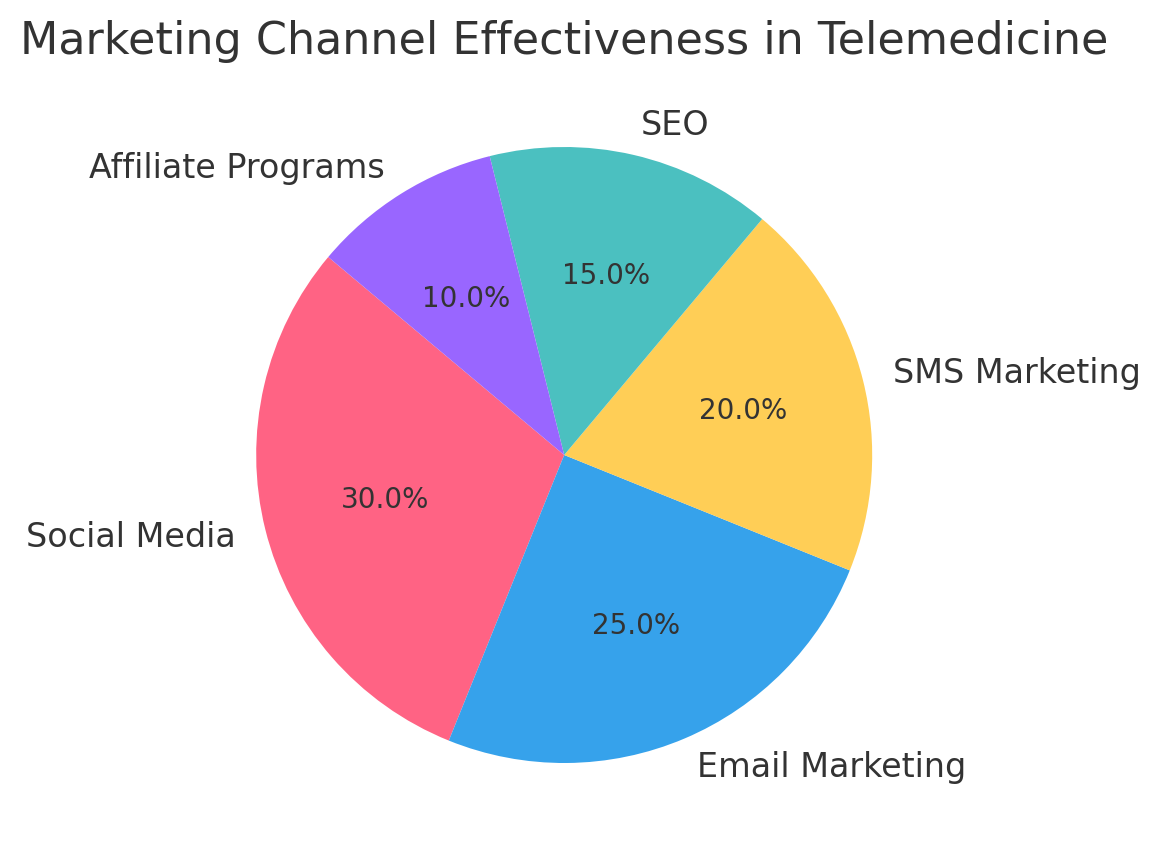
Marketing Channel Effectiveness in Telemedicine
Case Studies & Industry Best Practices
- Helium Health (Nigeria): Digital health records improved patient tracking, increasing consultation efficiency by 40%.
- 54gene: AI-driven diagnostics reduced testing turnaround times by 30%.
- Reliance Health: Subscription-based telemedicine models increased user retention by 50%.
- mPharma (Ghana & Nigeria): Pharmacy-tech integration expanded medication access by 70%.
Challenges & Ethical Considerations
- Data Privacy Concerns: Implement secure platforms that comply with data protection laws.
- Trust & Adoption: Build credibility through doctor verification and patient testimonials.
- Limited Internet Access: Offer USSD-based and SMS health advisory services for offline users.
Data-Driven Recommendations
- Mobile-First Strategy: Prioritize app-based and WhatsApp-driven consultations.
- Localized Messaging: Use regional languages and culturally relevant marketing.
- Integrate Payment Solutions: Enable mobile money payments for affordability.
- Improve Customer Retention: Implement AI-powered health reminders and follow-ups.
- Leverage AI & Chatbots: Automate health inquiries to reduce wait times and operational costs.
Conclusion
Telemedicine and HealthTech in Nigeria and Africa present significant growth opportunities. By adopting data-driven marketing strategies, ensuring regulatory compliance, and fostering consumer trust, businesses can scale efficiently and enhance healthcare accessibility across the continent.
References
- Africa Digital Health Market Report 2023
- Statista: Telemedicine Trends in Africa
- Nigerian National Health Act & NCC Reports
- WHO: Digital Health and Remote Care Guidelines
- Helium Health & Reliance Health Industry Insights 2023